


Don't ask for the meaning; ask for the use.
--paraphrasing Ludwig Wittgenstein
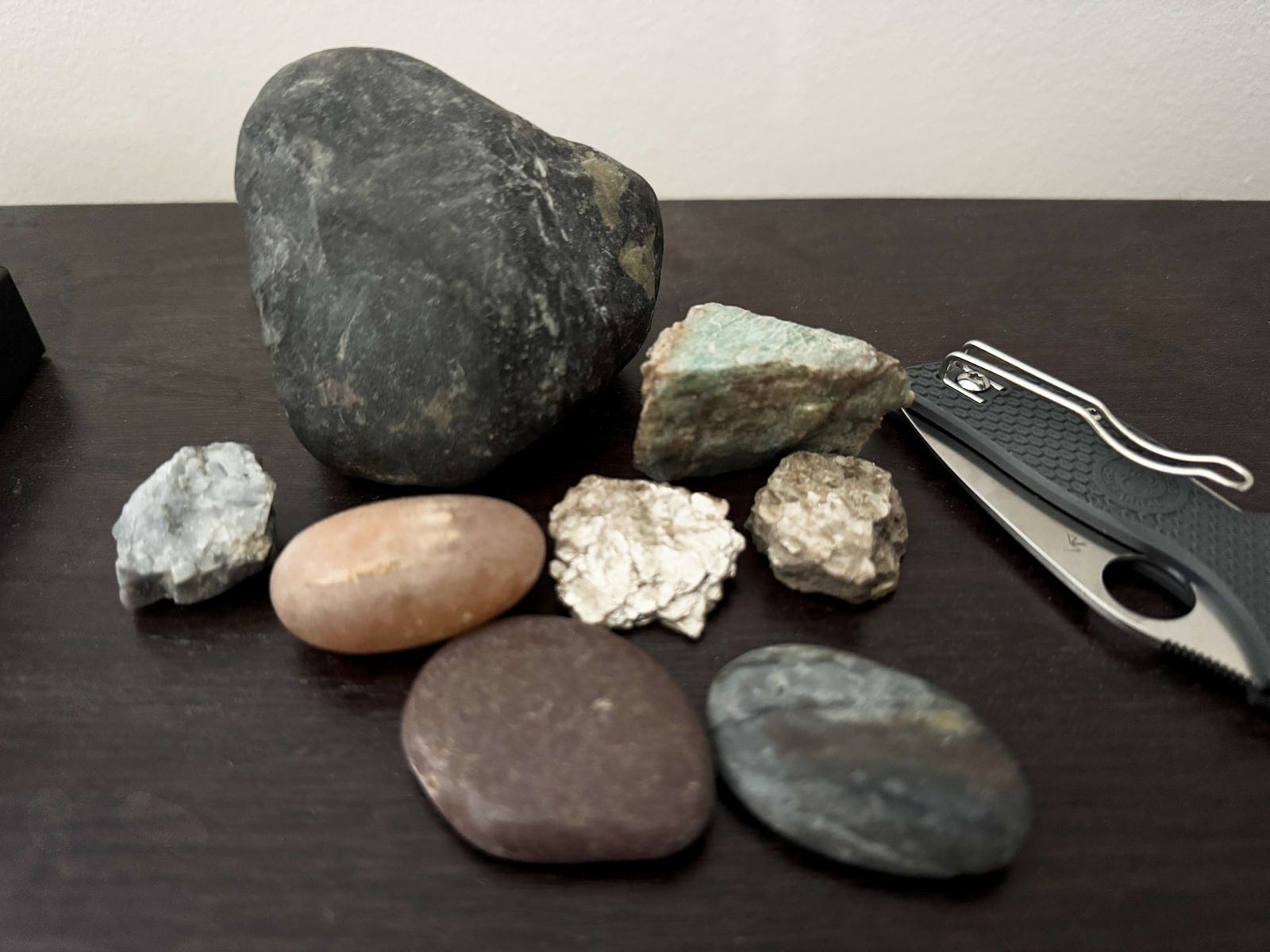
🪨 I'm not sure why I was thinking about this recently. Maybe because we watched Project Hail Mary with the kids and one of the characters kinda looks like a rock.
I was wondering: what are rocks actually made of? Like what kinds of atoms?
So I looked it up, and I was surprised to find that the most abundant element in Earth’s crust isn’t silicon, iron, or aluminum.
It’s oxygen.
Wait. Rocks are made of air?!
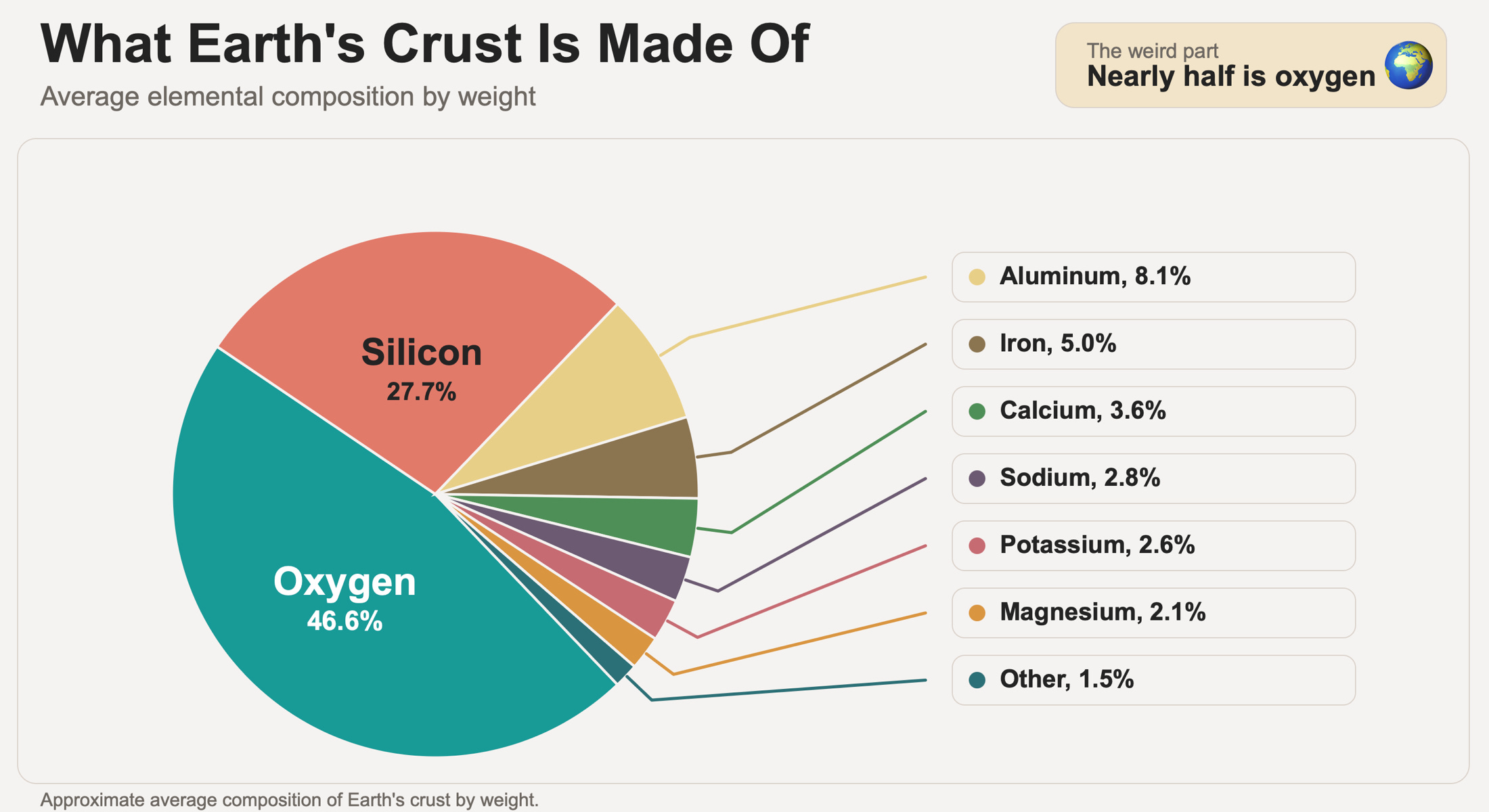
By mass, the crust is about 46.6% oxygen and 27.7% silicon, followed by the usual suspects: aluminum, iron, calcium, sodium, potassium, magnesium, etc. By number of atoms, oxygen is about 60.5%.
Of course, the same element can be very different depending on what else it’s bonded to. Table salt is made from sodium and chlorine, two things you wouldn’t want to sprinkle on your food in their elemental form 🧂😵☠️
So it’s oxygen, but chemically locked into silicates, oxides, and carbonates. Quartz, for example, is SiO₂. By mass, it’s 53.3% oxygen, and by number of atoms, it’s 66.7% oxygen.
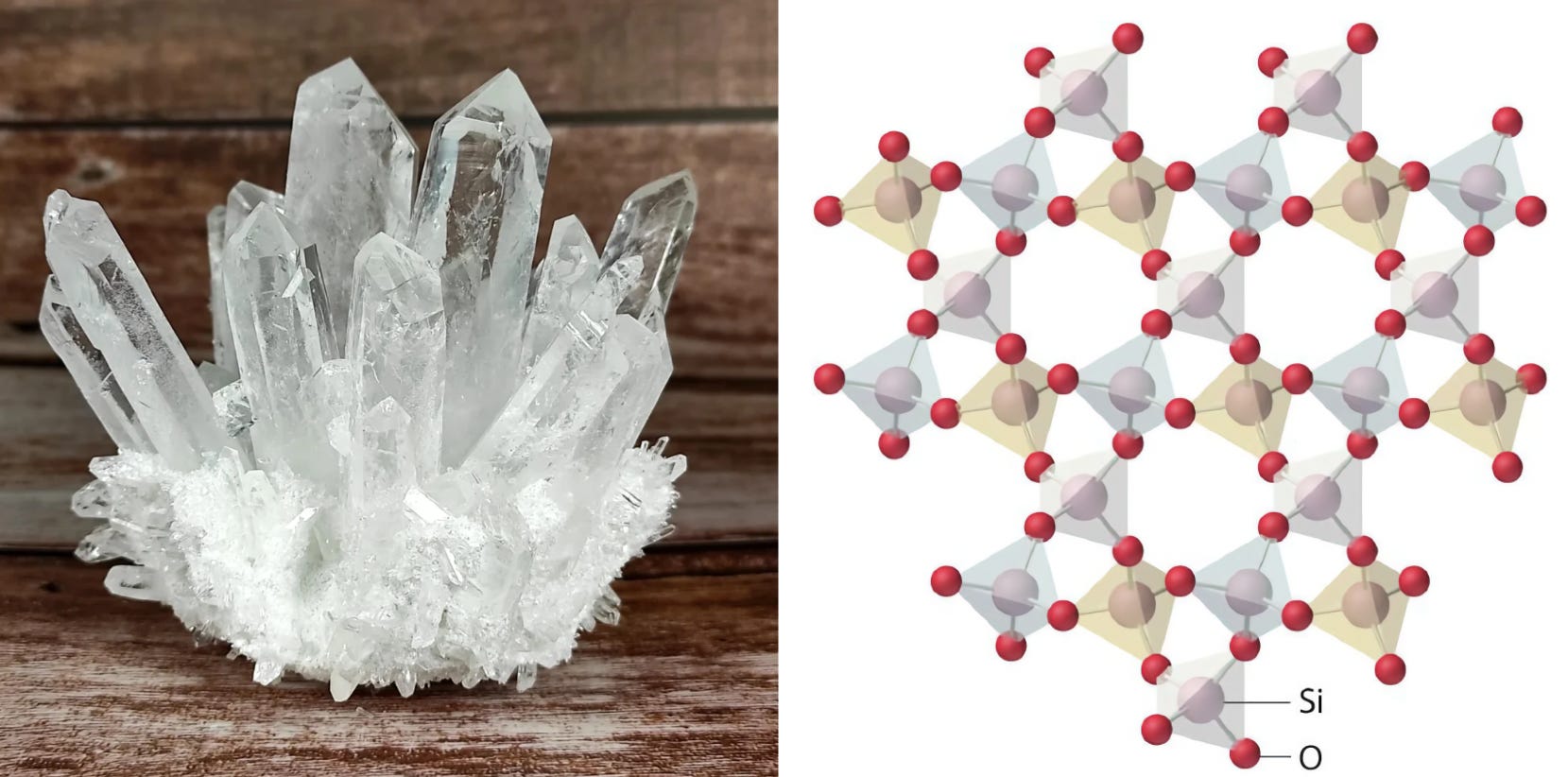
A lot of ordinary rocks are basically rigid three-dimensional scaffolding of oxygen atoms, with silicon, aluminum, iron, magnesium, and other atoms mixed in.
A rock is kind of frozen air. Not literally, the chemistry is different, but the summer breeze and a huge mountain are cousins, in a way 🤔
🏥🩹 Yesterday, my wife and I got our Shingrix vaccines (first dose).
I wrote about why in Edition #621:
A recent study published in the journals of Gerontology looked at data from a Health and Retirement Study (nearly 4,000 adults aged 70 and older, nationally representative) and found that people who’d gotten a shingles vaccine tended to score better on several biological aging measures: lower systemic inflammation, slower epigenetic aging, slower transcriptomic aging, and a better overall composite aging score. [...]
The virus Varicella-zoster, which most kids know as chickenpox, stays dormant in your peripheral nervous system for decades. It can reactivate as the immune system ages, sometimes silently, sometimes repeatedly.
When it does, research suggests it infiltrates the brain via nerve transport systems, inflames the cerebral arteries, and damages neurons and mitochondria [...]
A Nature paper [from April 2025] found that zoster vaccination was associated with about a 20% relative reduction in new dementia diagnoses over seven years in a Welsh natural experiment. Varicella reactivation can also apparently trigger reactivation of HSV-1, another dormant herpes virus most of us carry, potentially compounding the neurological damage.
For me, the math seems pretty asymmetric. Shingles is miserable, Shingrix is highly effective, and the downside is mostly a sore arm and feeling a bit crappy for a day or two.
If you’re eligible and haven’t had it, consider getting yours.
💚 🥃 The paid subscription includes the full feed, every podcast, Zoom Q&As with me, and access to the private Discord clubhouse, where a core group of us hang out and discuss the interesting stuff we find:
🏦 💰 Liberty Capital 💳 💴
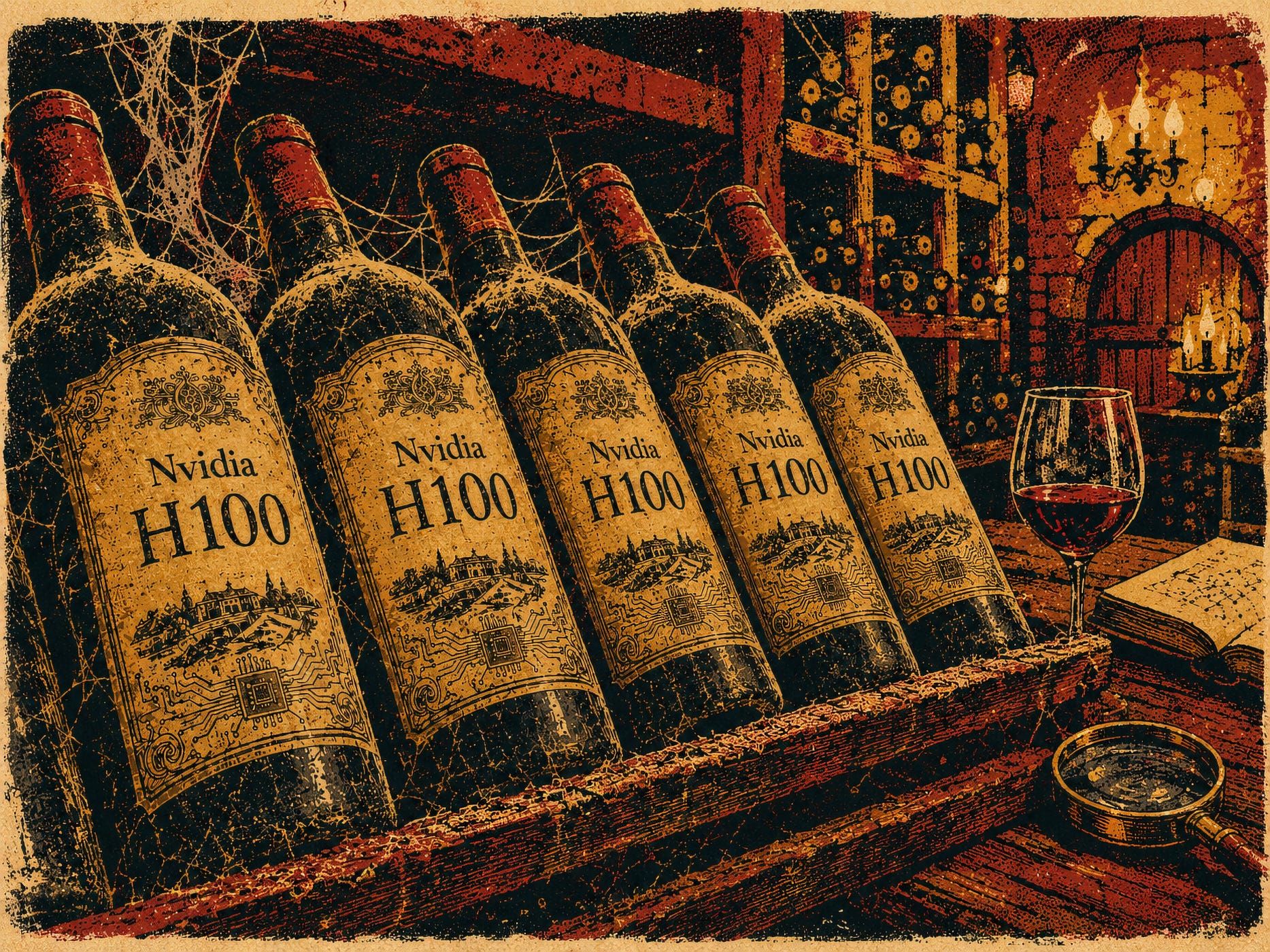
🍇🍷 When Old Compute and Data Get Better With Age 💾💻
Here’s a strange and sometimes counterintuitive feature of the AI era: old data, old code, and even old hardware can become more useful as the models and algorithms around them improve.
I alluded to this in the last Edition when I wrote about keeping AI logs in a ‘black box’, so that better models in the future can revisit them and possibly catch things that today’s models missed—clever cheating or other unwanted behavior.
This applies more generally because better AI models can extract more value from things you already have: hardware, data, and code.
An Nvidia H100 GPU is more useful today if it's serving GPT-5.6 Terra or Sol than it was when it was first made and was inferencing GPT-4o or whatever. The same hardware can now produce more intelligence.
The H100 can be getting relatively worse and absolutely more useful at the same time. ↕ (put that in your depreciation spreadsheet!)
As intelligence gets better and the cost of a given level of capability falls, it changes the value of everything around it. Some existing assets become more valuable because AI can extract more from them, while others become less valuable because AI makes them easier to reproduce.
Similarly, the same pile of data can be more valuable when it's analyzed by a smarter model. And when training an LLM, better algorithms and architectures can extract more capability from a fixed dataset. (Some data goes stale, of course, but unique, well-preserved data may actually appreciate over time.)
