


Passing one obstacle simply says you’re worthy of more.
—Ryan Holiday

🛰️🌐 This is going on above your head at all times.
Photographer Brendan Larsen created this amazing composite:
This is the most time-consuming photo edit I’ve EVER done!
I left my camera photographing the night sky over Mt Taranaki for nearly TWO HOURS, capturing 578 photographs.
The result? An estimated 14,450 satellite trail appearances, representing approximately 1,400 individual satellites! 😱
I manually masked in EVERY SINGLE TRAIL from the original photographs — approximately 45 HOURS of editing to create this one image!
h/t Friend-of-the-show and supporter DvorakQ (💚 🥃) on the private discord!
⚙️🛠️🧰 Pro-tip for you: If you have a Dyson cordless vacuum, maybe because you bought one after hearing David Senra’s (🎙️📚) episode about James Dyson in 2021, and you’ve had it for a number of years, buy a new one of these:

You can get non-Dyson ones on Amazon for less than half the price of the original one.
Maybe I didn’t read the instructions closely enough, but I thought these filters just needed to be washed with water once in a while. Turns out, they are consumable 😅
My V15 was starting to have problems. I suspected the hardwood brush (the yellow and blue one that spins), because when I plugged it in, I got the “airways blocked” warning, but I didn’t get it with other attachments. I was about to spend 150 CAD on a new brush, but on a hunch, I decided to order a new filter.
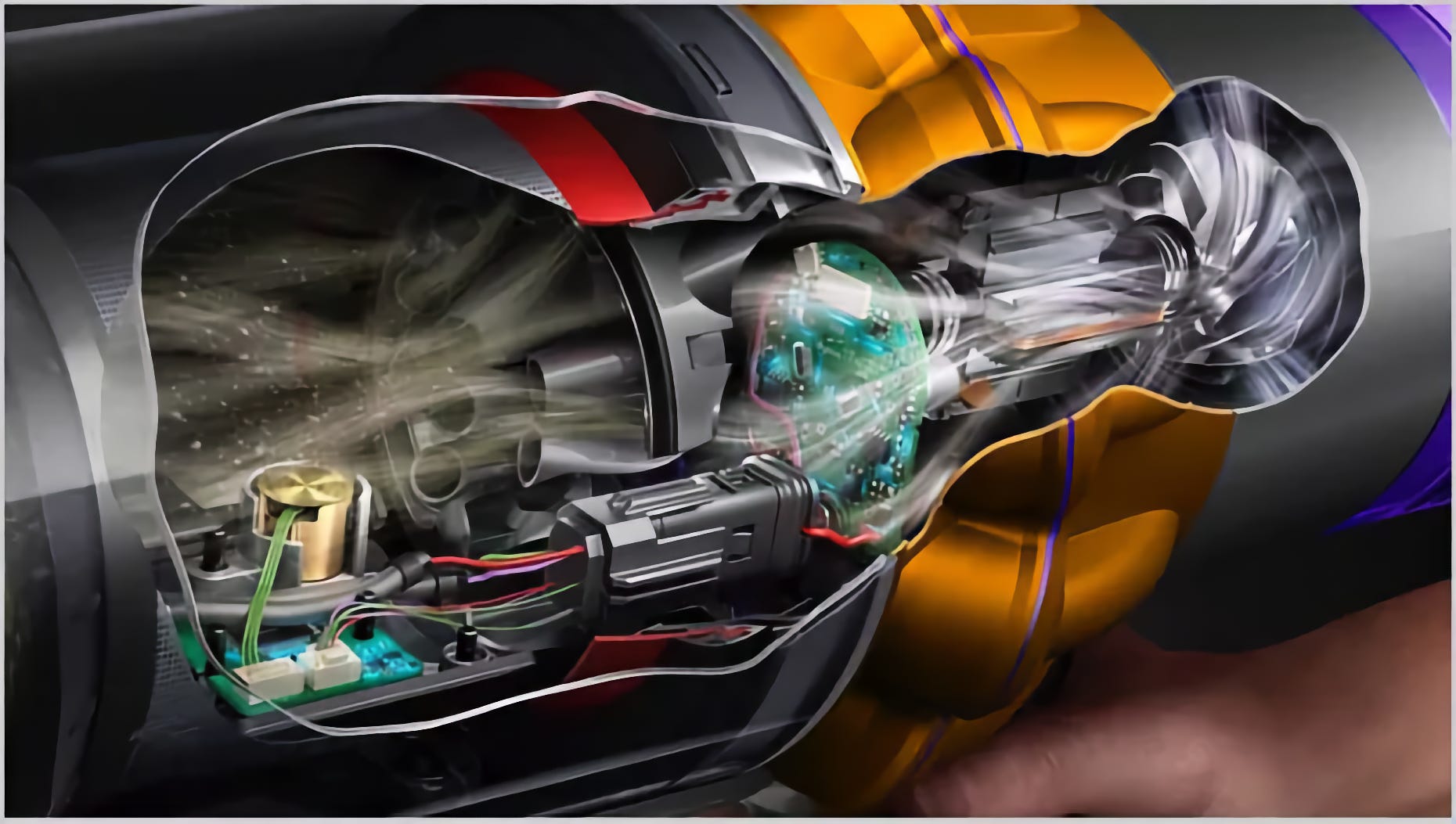
Holy! It’s like I got a brand new vacuum. It sucks so much — in a good way 😅 — that I feel it pulling against carpets and floorboards in a way that I haven’t felt in years. Performance had been degrading so gradually that I never noticed the problem.
I’m glad I spent ~10 CAD on a filter rather than more on an attachment that wouldn’t have solved the problem, and then maybe I would’ve just bought a whole new V15 for a thousand bucks.
I figure this is a good enough tip to share with you.
💚 🥃 To keep this steamboat alive and afloat, I need supporters. Like you! 🚢
The paid subscription includes the full feed, every podcast, Zoom Q&As with me, and access to the private Discord clubhouse, where a core group of us hang out and discuss the interesting stuff we find:
🏦 💰 Liberty Capital 💳 💴

🏎️ Fall From Grace: The World Changed Faster Than Jensen Did 🪽
I have written and rewritten thousands of words on this since last week. Events happened so fast that right after I published my Oh, Jensen piece, it was rapidly obsolete because he resigned and two other affairs came to light. Who knows what else will happen by the time you are reading this ¯\_(ツ)_/¯
I could tell you a lot of things. My mind is like Schrödinger’s cat when it comes to this. I’m both extremely disappointed in Jensen for his behavior and failings, and disappointed that he resigned and the trajectory of world history will be different because of it (right, I mean, if you think about how much leverage this powerful tech has on *everything*).
I’m sure you’ve followed the coverage and commentary. It’s been hard to avoid. So I won’t recap all the facts and arguments. Instead, I’ll tell you my read on the situation, and I think Ben Thompson (💚 🥃 🎩) nailed it when he wrote:
Jensen Huang resigned as CEO of Nvidia on Thursday, November 12, 2026. He had been CEO of the company ever since he founded it on April 5, 1993. Nvidia started out as a graphics card company; Huang’s exit — nominally because of affairs with a buyer who may or may not have been a Chinese spy, as well as at least two company employees — was ultimately because Nvidia was, by the powers that be, considered a defense contractor, and Huang never adjusted.
It’s hard to remember how fast everything happened, because it simultaneously feels fast and long.
How long ago was the ancient GPT-4o? Remember how much of a splash that made? That’s 2.5 years ago. Or o1? Remember the big 🍓 brouhaha? That was about two years ago.
Decades happened in the past three years, it seems like.
Some things can go fast, but some things take time.
Not long ago, Nvidia was basically a video game company that cared immensely about the latest Call of Duty or Cyberpunk 2077 releases (🎮). They went from floating on a side island in the tech world (they were rarely mentioned along with the rest of Big Tech) to central to EVERYTHING in basically no time.
Google and Microsoft and Amazon had many years to figure out how to be big. How to deal with politicians and their role in geopolitics. And even with all that extra time, they each had their own struggles and moments of crisis.
Jensen was thrown into it, and it’s not like he wasn’t also busy with the tech side of things. But on the side, he became a global rockstar and power broker, reshaping industries with his decisions and shifting the balance of power between countries with his chips.
That’s got to make your head spin. 😵💫
Not to excuse, but maybe to explain.
Maybe Jensen spent his whole career driving like a Formula 1 racer. He was incredibly good at it. But somewhere along the way, the closed circuit racetrack became a public highway, and he was still driving the same way. 🏎️

Jensen had extraordinary foresight about tech. What about everything else?
Maybe the qualities that made him so incredibly effective as a founder and tech CEO were the same that contributed to his downfall (your strengths are your weaknesses). The whole ‘60-direct reports1, F1 car finely tuned to be driven by Jensen’ thing made them operate at startup speed and leverage Jensen’s own talent in a way that it may have been diluted in a company with more process and bureaucracy.
But it also meant that so much was going through him. It was built to take maximum advantage of his strengths, which means it became highly dependent on his judgement as the flip side of that coin. What happens when that judgement fails? 😬
Just yesterday, Nvidia announced a board-level committee to oversee national-security and export-control compliance.
Was he prioritizing Nvidia’s commercial success (as a founder who has the scars of multiple near-bankruptcies would) even as some powerful national-security officials increasingly expected the company to play ball and be a centerpiece of their national-security strategy against China?
You can agree or disagree with his arguments for selling older/hobbled chips to China, but it’s possible that those who disagreed with him used what they knew about him to get him out of their way. We don’t know who leaked what, or why, but there’s clearly been a power struggle in Washington, and Jensen being gone was a big win for those pushing for tighter restrictions.

What will happen next?
¯\_(ツ)_/¯
The camps are clear. Many shareholders and players in the tech industry are pushing for him to come back, while others in positions of power (including Treasury Secretary Bessent) clearly want him to stay away. Jensen has said he’s open to return, but it’s just one of the many preconditions required. On the earnings call yesterday, Nvidia board chair Harvey Jones said that the board doesn’t intend to bring him back. We don’t know if more revelations will come out and reshuffle the deck or if the board will be convinced there’s a path somehow… This isn’t over.
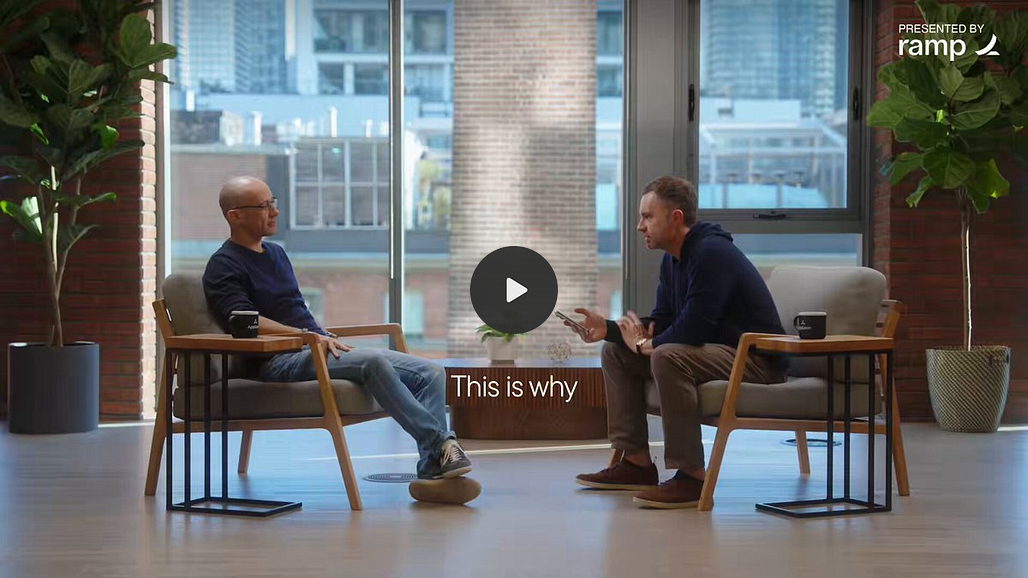
I’ll leave you on Tobi Lütke on Jensen (and donating blood to three hospitals to be able to buy a Riva TNT GPU 🩸):

📊 Two Questions Going into Anthropic’s IPO 🤔

There are a lot of questions to ask about Anthropic as a business going into its IPO, but two keep coming back to me.
I don’t know the answers, but sometimes the questions are what matters most, and over time, as we watch things closely, maybe we’ll find answers.
1. Is Anthropic becoming a platform businesses build around or a supplier they can swap out? 🕸️
I’m sure you’ve seen the line from Anthropic’s S-1 about how over 80% of its Q3 revenue came from models released in the preceding six months.
There are a couple of ways to interpret that. 🔀
One is that these things have a very short half-life and there’s very little loyalty to a model and users will just go to what’s best for them.
But another possibility is that Anthropic is replacing its own models without losing its customers. Even if any particular model’s advantage only lasts a few months, customers may keep moving to the next Claude because they trust Anthropic to stay competitive.
Model-version turnover is not customer churn. 🔄
What I’m curious about is what happens when another lab has a clear lead for a while. Do Anthropic’s customers jump ship, or do they stick around waiting for the next Claude because they trust Anthropic to catch up quickly, so it’s not worth switching?
2. How much of Anthropic’s research spending buys growth and how much is to keep it competitive? 💰 🤷♂️ 💸
Serving inference may be super profitable, but what does it cost to keep making the models that customers want to buy?
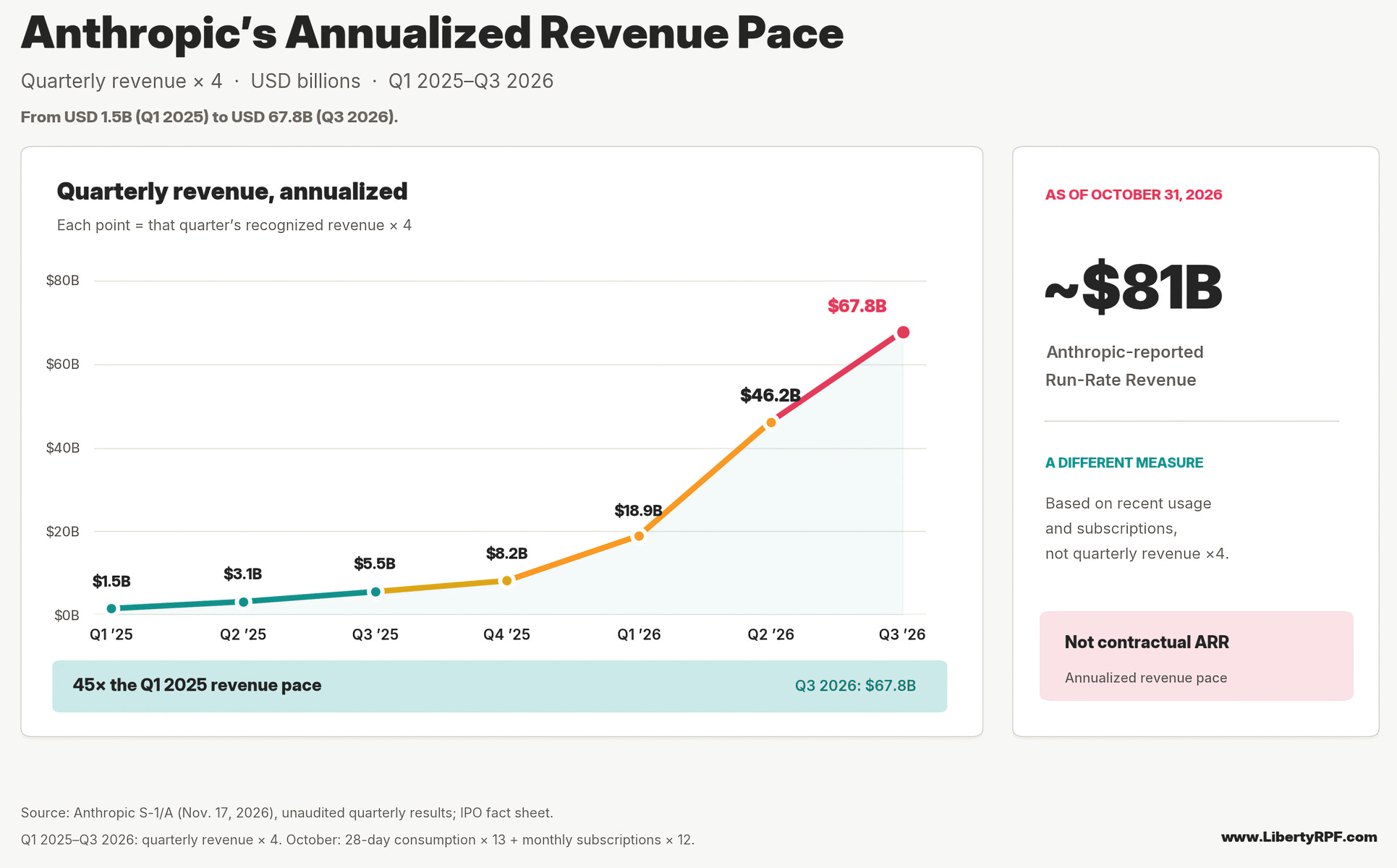
The numbers give us some idea of the scale. According to Anthropic's S-1 (which got an update yesterday to reveal the size of Google and Amazon’s stakes: 13.7% and 14.7% respectively), in the first nine months of 2026, it generated $33.2 billion in revenue with $4.8 billion in cost of revenue (mostly compute to serve customers). But it also had $19.2 billion in R&D expenses, including compute for developing models, research, internal usage, and personnel.
Are they spending so much to press their advantage because they believe this will become a winner-take-all or duopoly market? Or are they spending that much because they have to, just to avoid falling behind OpenAI, Meta, Google, etc.?
Of course, I suspect it’s not binary and there’s some of both, but the proportions can make a BIG difference to the economics of the business.
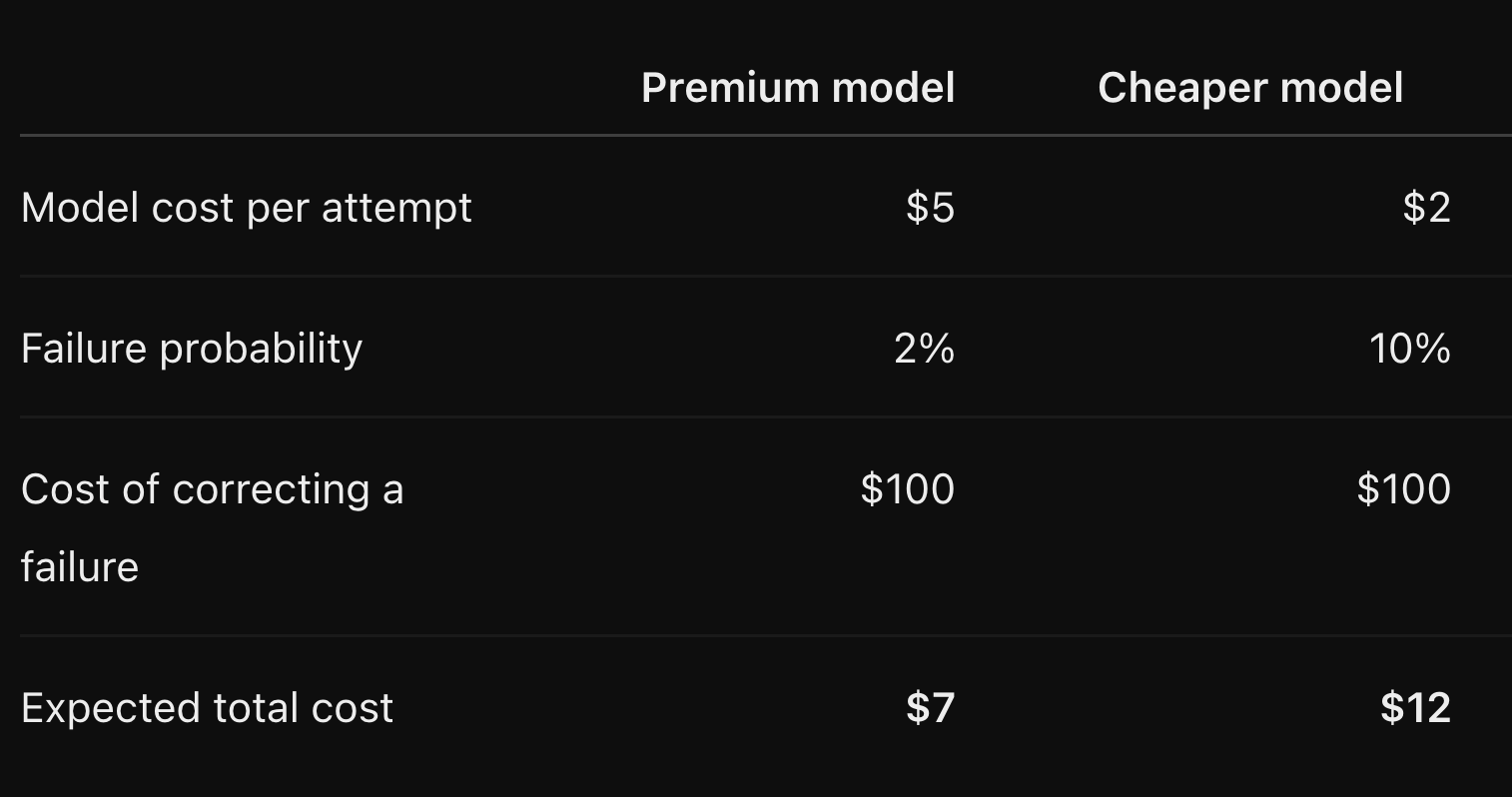
If even the cheaper, non-frontier models can do most things, why would anyone keep paying a premium for the very best?
Maybe because mistakes can be expensive. 💣⚠️💥
If using a cheaper model means spending hours checking and fixing its work, or risking lost revenue because something went wrong, paying more for some overkill model could actually be the cheaper option overall.
So maybe the frontier will remain worth paying for even when the models a generation or two behind it are incredibly capable.
From the full feed 🔒: The AI Boom Meets Its Political Bottleneck
🧪🔬 Liberty Labs 🧬 🔭
🏴☠️🔐 Alex Stamos: AI is Breaking Cybersecurity, So Why Not Rebuild Linux?
Alex Stamos is someone worth listening to when it comes to cybersecurity.
He spent decades in the field. He was the top security executive at Yahoo and Facebook (you may have heard his name because he helped investigate Russian interference in the 2016 U.S. election), he founded the Stanford Internet Observatory, and teaches cybersecurity at Stanford.
He's now chief security officer at Cognition, the AI coding company. He’s on the frontlines.
He recently spoke with Nilay Patel on Decoder and I really enjoyed the interview. Here are some highlights:
- 💰 The Economics of Cybersecurity Are Breaking
Alex Stamos: We’re going to have to lower the cost of defense. You’re completely right to look at this economic problem because what’s happening is attacks are becoming agentic. The cost per token for attackers is going towards zero, and the cost of defense for defenders is staying quite high. It is very important for us to find ways for defenders to have cheaper options. I think that is critical. That’s something I am personally extremely focused on. To be frank, very few people are.
[…]
But for those models, we need to do a lot more work to optimize them and we need to make them cheap. I have a colleague who works at one of the large security platform companies who said that doing an investigation on one of the big frontier model cyber models costs $900 on their product to do an investigation. That is not going to work when the Russian ransomware guys are either using Macs or they’re using throwaway crypto mining rigs and their marginal cost is zero.
At the end of the day, Economics 101 rules everything.
There’s an asymmetry between attackers and defenders. Attackers don’t need a high success rate, they just need to find one weakness they can exploit. Defenders have to protect against many different kinds of attacks, detect the ones that get through, and contain the damage.
-🐧🤖 Google and Amazon Should Rewrite Linux in Rust
That was my favorite part of the interview and I’d love to see that actually happen.
Alex Stamos: If you’re looking at your code base and you scan it and you’ve got 10,000 bugs, then probably now we are at the point where rewriting it is actually cheaper. […]
I wish […] Google would take all of those incredibly brilliant engineers and just tell them, “Take the Linux kernel and rewrite this in Rust.” That would be their gift to the world. […]
And then just release it and call it whatever you want, the G Linux kernel, just like they did this with OpenSSL. And I would run that. Cognition would run that on our servers or have Google and Amazon do it together and it would cost them $100 million, but compared to the societal cost that this is costing us every time we have to patch the Linux kernel and you have to reboot every Linux machine on the entire planet, that’s what has to happen.
Nilay Patel: I don’t think anyone’s in that position. I don’t think Linus Torvalds is in that position.
Alex Stamos: No, I think Sundar Pichai and Andy Jassy are.
But the good thing is that a huge number of the really important uses of Linux kernel are production server hardware. So fork it. Linus will never do it because Linus wants to support all that stuff and he’s got all these politics, but Google and Amazon don’t have to care about Linus Torvalds.
I like these big ambitious ideas. I mean, coding models are now so good, and if they’re not good enough now, what about in six months or a year? We should seriously consider rewriting some of the central pieces of infrastructure that everything else depends on, using safer languages like Rust.
It’s a little like the classic XKCD:
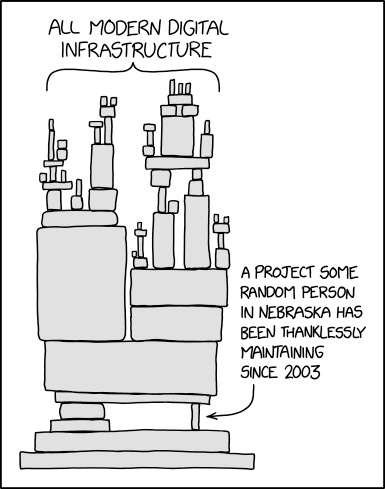
We now have the tools to make a much more stable base to that block tower.
Stamos isn’t proposing that Google and Amazon support every obscure piece of hardware ever made, either. His idea is to focus on the production server hardware they actually use, while keeping compatibility with the software running above the kernel.
Even if it costs a billion dollars, or several billion, it could be a fantastic investment if it significantly reduces the security problems and maintenance burden of one of the most important pieces of infrastructure in the world. 💾
🛡️🤖 🌐 OpenAI + NATO
OpenAI announced that NATO is already using its advanced cybersecurity models through Daybreak to find vulnerabilities, investigate suspicious activity, and help develop and test fixes. Usage has reached up to 300 billion tokens per month (inputs + outputs — which sounds like a lot, but now that I think of it, my own Codex use is a few tens of billions of tokens, so I guess it’s not that much 🤔). Maybe they’re counting differently or that number isn’t right.
Anyway, that’s being put to work defending critical infrastructure. OpenAI also says that ENISA, the EU’s cybersecurity agency, used its models to identify four vulnerabilities in software used across EU institutions, and all four have been patched.
WSJ:
As geopolitical tensions remain elevated, the alliance is grappling with increasingly sophisticated threats, particularly in cyberspace: a cyberattack recently targeted European supermarket refrigerators and freezers, causing tens of millions of dollars in damage from spoiled food and equipment failures.
Hey, I wrote about that!
This is also being deployed in Ukraine to harden against Russian cyberattacks:
The company said in September that Ukraine’s Ministry of Digital Transformation would use Daybreak to protect civilian infrastructure, providing access to tools to identify software vulnerabilities and develop and test fixes more quickly.
👎👎 Are GPT-6.2 Sol and Astra Duds? 🤔
The model roulette can be a frustrating game. You may love a model version, but that doesn’t mean the next one will be anything like it.
It’s a good reminder of how much of these LLMs are still black box, more ‘grown’ than designed. Sometimes you get the recipe just right and it tastes wonderful (like Opus 4.6, which was loved for its creativity, conversational intelligence, and personality, or Opus 5.5, which is a reliable workhorse). But sometimes, for whatever reason, it doesn’t come together, and you get models that people don’t like (even if the benchmark numbers are impressive… or on the other side of the ledge, Opus 5 and 4.7. OpenAI has its own equivalents of this, with GPT-5.6 Sol on one side and GPT-5 on the other).
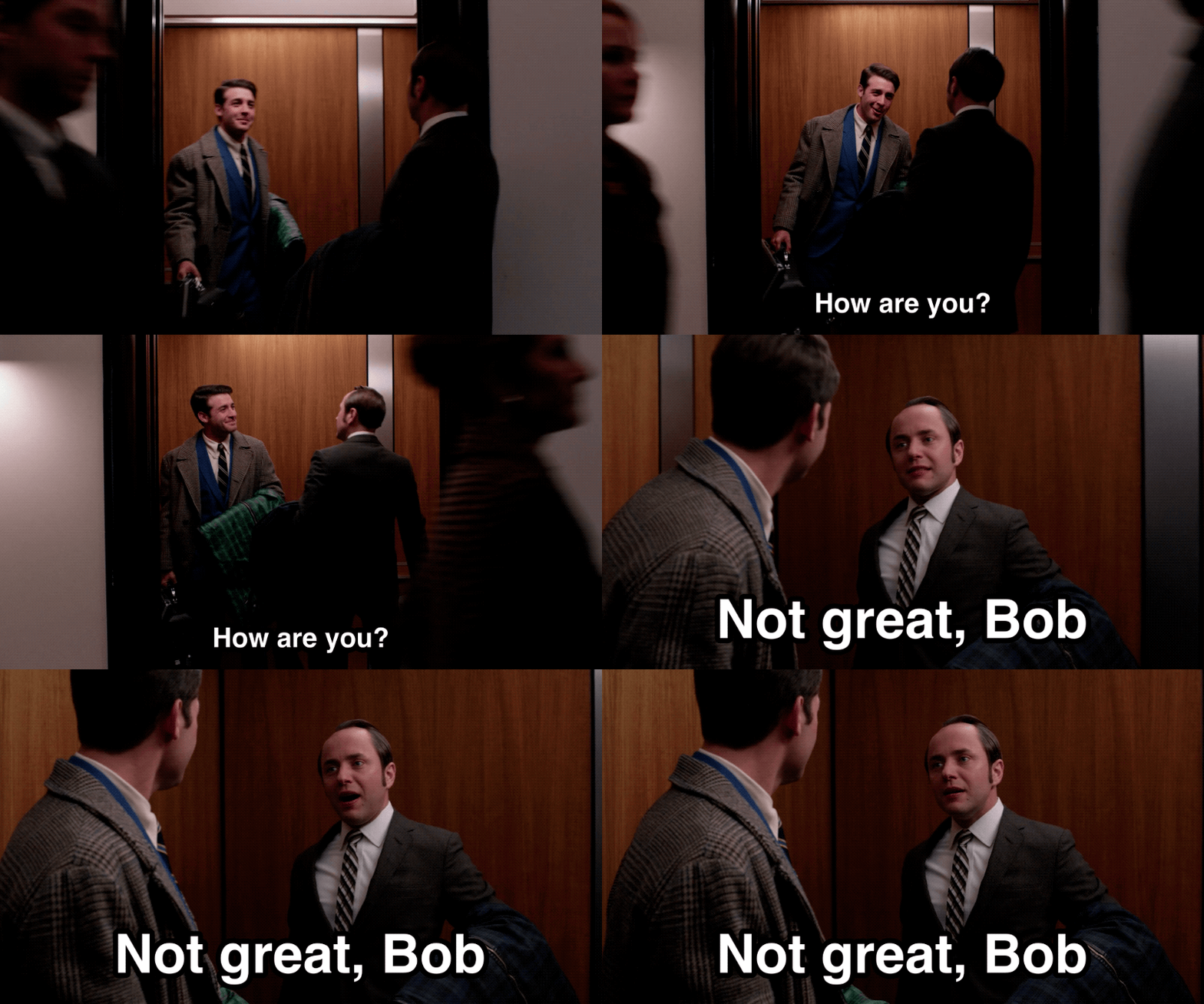
This is pure speculation, but with Anthropic’s IPO coming, and the recent release of Fable 5.2, OpenAI probably had a lot of pressure to come out with something. Maybe it wasn’t quite fully baked yet, but they released GPT 6.2 Sol and Astra, and so far the reaction from most of those with early access has been….
Not great, Bob
So normally I would tell you more about how the model has improved on certain benchmarks and how its architecture is different or whatever. But today the most notable news is really the vibes.


Matt ended changing his mind and posting this VERY negative review:


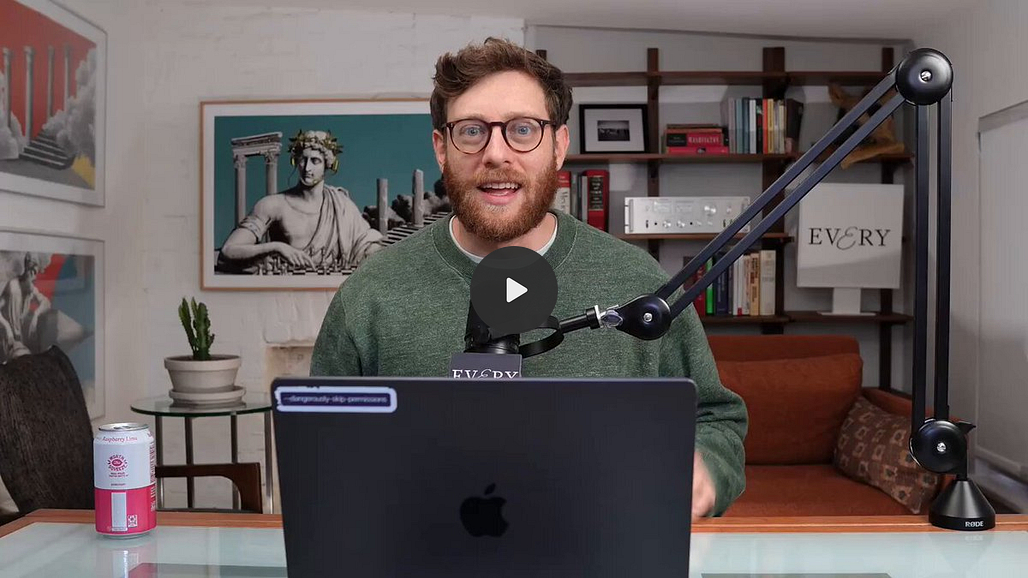

I haven’t had enough time with them to have a real opinion yet, so stay tuned for my review.
Tibo at OpenAI said that many of these reviews were done some days ago, and that they’ve since improved the model (probably by tweaking the system prompts). I don’t know how much they can do with just that. They may have to rush out 6.3 if they can make it better on those aspects…
But at this time, 6.2 certainly appears to be a gift for Anthropic’s IPO.
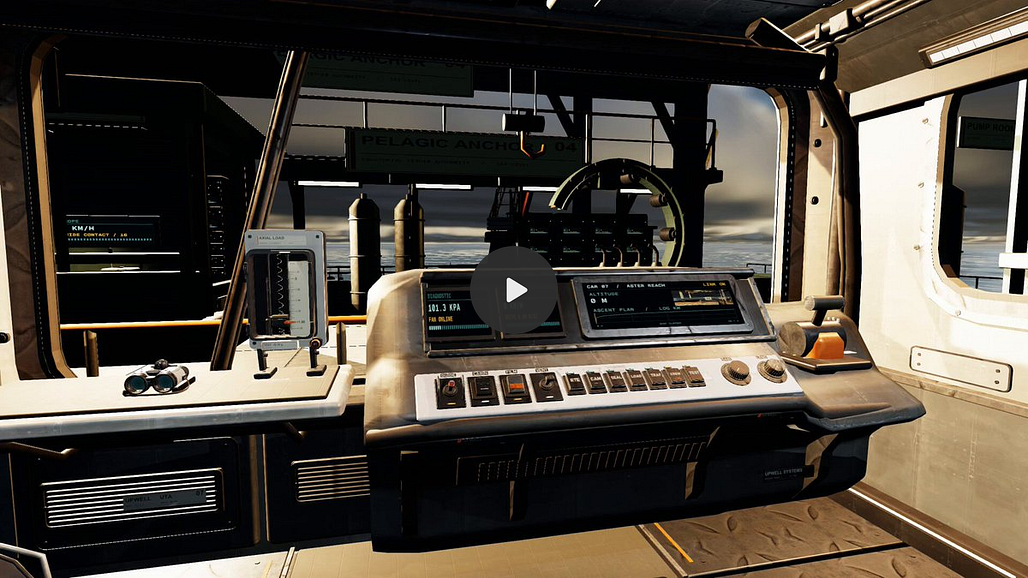
From the full feed 🔒: Microsoft and AI-Assisted ASIC Design
🎨 🎭 Liberty Studio 👩🎨 🎥

⚔️🛡️ Watching the Lord of the Rings Trilogy with my Kids 🏰
I thought I would have to wait longer to watch these films with my kids, but I’ve learned a lot about what they can handle and can’t handle in recent times as we’ve watched all kinds of other films, and I decided they were ready.
We watched the extended editions, which add up to 11h23mins (!!). It was more like watching a TV series than films, watching an hour at a time over a few weeks.
They loved it.
They had never seen anything quite that epic, and at various points I could see them get so carried away and excited that they would almost vibrate on the couch next to me. It was beautiful to see.
For my part, I’m not the kind of nerd who re-watches these films often. I had seen all of them in theater when they came out. When I saw Fellowship, I had not read the books, so it kind of blew my mind. Then, I read the trilogy before seeing Two Towers and I remember being slightly disappointed by it. I enjoyed it, but when the books are fresh in your memory, it’s harder to appreciate the films for what they are. And somehow I had forgotten large parts of Return of the King. I didn’t remember the falling skulls and the Green Ghost Army and all that stuff.

The films held up pretty well.
Some of the effects have aged a little bit. I remember when I first saw Gollum, I thought he looked incredible. So photorealistic! And now when I look at him, he looks more like a video game character at times. Good thing that the performance by Andy Serkis is so good that it makes you forget about that, even today.
We’ve come a long way with how we integrate 3D characters into scenes with subtle light effects and ray tracing and all that.
It almost makes me wish there could be a remastered version where everything would be kept the same but some of the effects would be improved. I know this doesn’t always have a great track record (*cough* George Lucas), but maybe it could work here. 🤔


Btw, this phrase about 60 direct reports has been said so often that I rarely even take the time to think about it. But sixty people, each with a whole multi-thousand group of people around them working on very complex things (chips, supply chain, partnerships, software, R&D, financial deals, global compliance, etc). That’s a lot of people and that’s a lot of complex things to deal with on a daily basis.
Revenue mix can't separate your two stories; switching behavior during a rival's lead can. If customers stayed on older Claude versions through a period when another lab was clearly ahead, that is retention dressed as turnover. If they left and came back, the same figure describes a supplier being swapped. The observable I'd want is cohort-level: of accounts adopting a model in a given quarter, what share were still paying a year later, and did that move when a competitor shipped? The 80% number answers a version question, not the customer question you're actually asking.