


I arise in the morning torn between a desire to improve the world and a desire to enjoy the world. This makes it hard to plan the day.
—E.B. White, From a 1969 New York Times interview
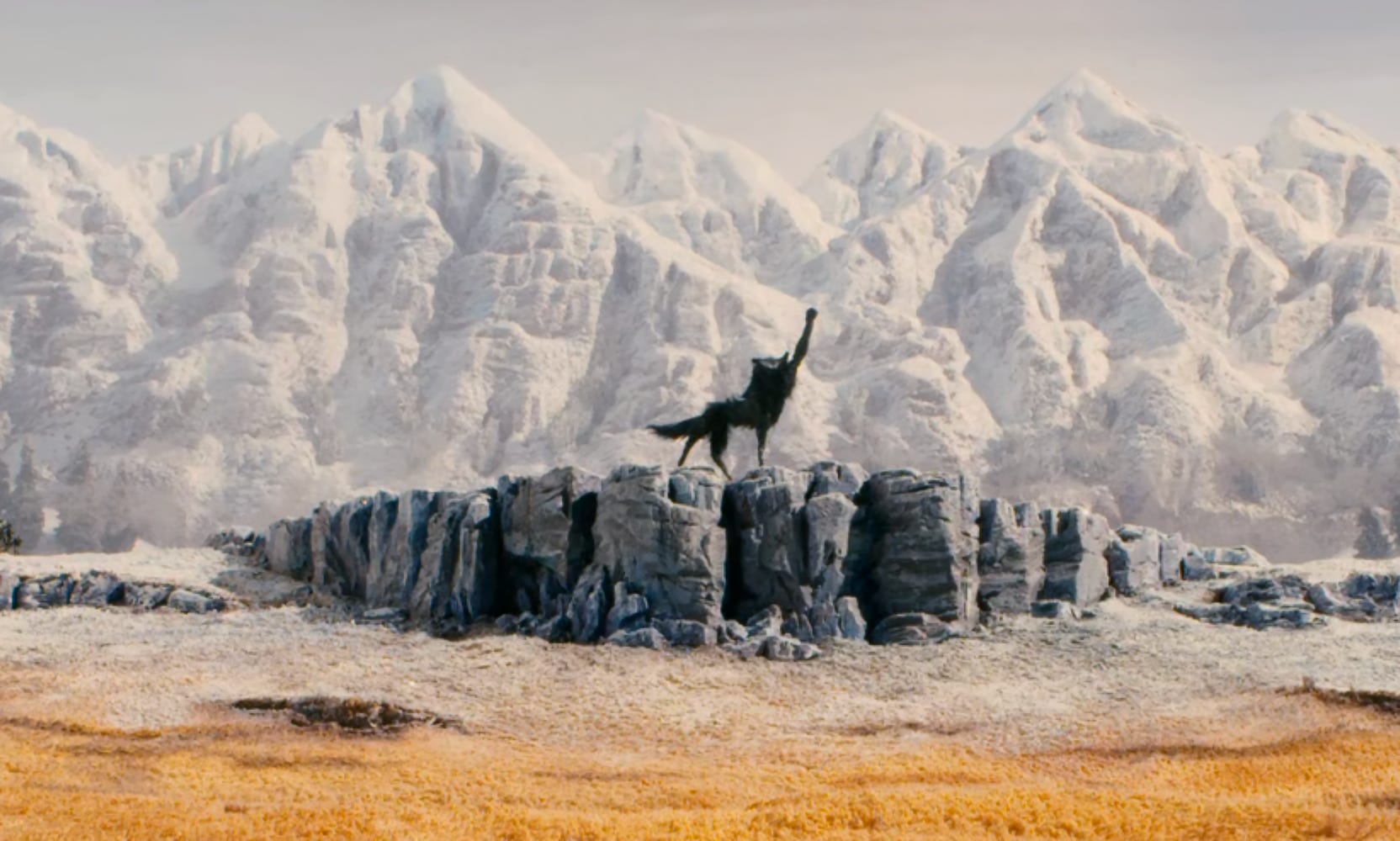
🛀💭 🐺🐕 A random question popped into my head recently: if all dogs descend from wolves, why have I never heard a wolf bark?
Wolves howl in every nature documentary. Dogs howl too, sometimes, but they mostly bark at the doorbell, squirrels, whatever. Do wolves even bark? Or did humans selectively breed barking into dogs as an ancient early-warning system? 🤔
So I looked it up. 🔍
Turns out wolves do bark, just rarely as adults: a 2025 paper in The Anatomical Record notes that barks make up only around 2% of adult wolf ‘vocalizations.’ And mostly brief alarm or threat calls, not the more repetitive barking we’re used to.
The surprising part is that wolf pups bark much more often (by about four weeks old, they may already bark at noises outside the den), and then it fades as howling develops. One hypothesis is paedomorphosis (not the greatest word), where domesticated animals retain juvenile traits into adulthood.
Why did it stick around? Two main theories: noisy sentinels were useful around early human camps, and selecting for tameness may have dragged juvenile traits along for the ride. ¯\_(ツ)_/¯
Once the trait became common for dogs, it turned into a flexible tool. On top of threats, barking expanded for play, excitement, and attention-seeking.
And we’re pretty decent at telling which is which. In a 2005 playback study, people identified the situation behind recorded barks much better than random chance. And not just people who had a dog. That made little difference. 🐩🐕🦺
Dogs are good at understanding human expressions and body language and voice tone. I guess that went both ways, and we co-evolved to understand their barking. ↔️
💚 🥃 To keep this steamboat alive and afloat, I need supporters. Like you! 🚢
The paid subscription includes the full feed, every podcast, Zoom Q&As with me, and access to the private Discord clubhouse, where a core group of us hang out and discuss the interesting stuff we find:
🏦 💰 Business & Investing 💳 💴
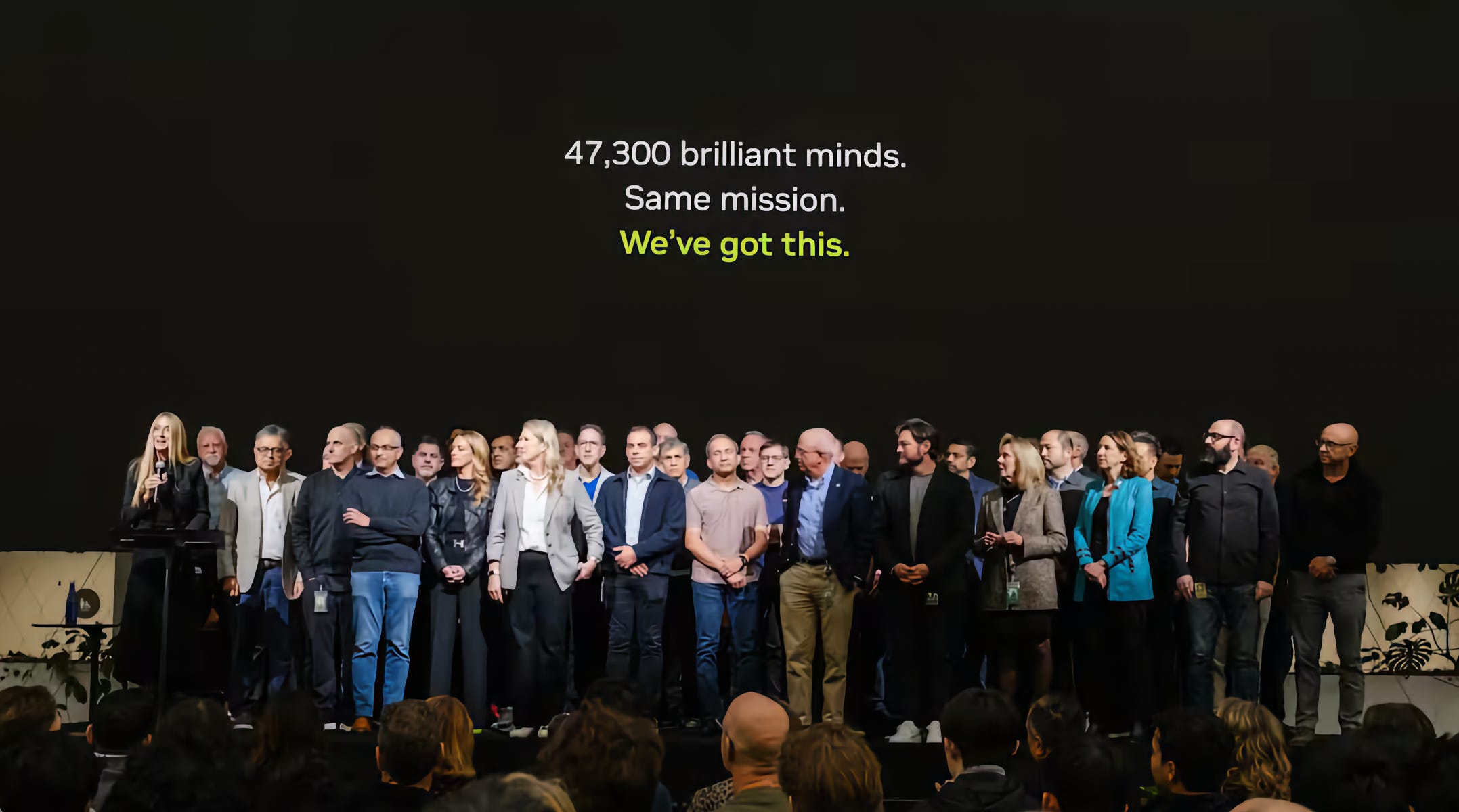
🧠💰 Nvidia’s Talent Problem: What Do You Pay People Who Don’t Need the Money? 💵
According to WIRED, compensation was the most common topic among the roughly 700 questions employees submitted before Nvidia’s first all-hands meeting without Jensen. The second was transparency from the board.
CFO and interim CEO Colette Kress announced pay raises and more equity are coming in December instead of March.
I can see why they’d want to do this. Nvidia has historically had very low employee turnover. Just 3.7% in fiscal 2026.
And they’re well-paid employees. According to Nvidia’s 2026 proxy, the median got $282,050 in annual total compensation, including equity awards valued when granted (and until recently, the stock has done quite well for them).
But the question now is: How much does money matter to longtime Nvidia employees who have already made a fortune from the stock? 🤔
I suspect many of them could retire tomorrow. If they stayed because they love working with Jensen, believe in his vision, and enjoy the culture he built, how much difference is another raise or stock grant going to make?
We’ve heard a lot about companies with almost cult-like cultures, like Anthropic, Palantir, or Apple under Steve Jobs. ⛪
What if Nvidia gradually becomes a more normal, boring company without Jensen? How many of those people would still want to stay?
More money will probably help retain many, especially after the recent decline in Nvidia’s share price. But the second-most-common question, about transparency from the board, makes me think this isn’t just about compensation.
I’m not expecting an exodus. Nvidia still has enormous advantages, fascinating engineering problems to work on, and a deep bench of talented people who helped build the company. But competitors will no doubt seize this moment to try to poach key talent. 🧲
If I was Nvidia, I’d worry about losing a handful of critical engineers and architects, people who know the systems inside out, have years or decades of accumulated knowledge, and are difficult to replace. Nvidia’s Jeff Deans, so to speak.

And what if when they leave, it starts making other talented people think about doing the same thing? People are very mimetic like that 🤔
I don’t know how likely it is, but losing five of the wrong people could do more damage than losing hundreds of others. Some of these people may be especially valuable because they know how to make the different parts of Nvidia work together. If someone is the glue between chip architecture, networking, CUDA, and system design, their value isn’t just what they personally know. It’s how much better everyone else works because they're there.
I’ll be watching who leaves Nvidia over the coming months, not just how many. 👀
🔁 Déjà vu:
