


It is the great arrogance of the present to forget the intelligence of the past.
-Ken Burns

💌🎩 My friend MBI (🇧🇩🇺🇸) wrote a very nice Ode to Ben Thompson.
It felt a bit funny seeing it in my inbox because I’d been noodling on writing something similar. Ben was one of the people I had in mind when I was writing my mentor piece.
I’ve been following him since I heard him on a short-lived podcast called Cubed, which was called that because the three hosts were named “Ben” (Ben Thompson, Benedict Evans, and Ben Bajarin). The first episode came out in September 2013. It made me look up the hosts, and that’s when I first found Stratechery.
I don't think I became a regular right away. I probably kept seeing his stuff linked on Twitter. I think I subscribed after I heard Ben on John Gruber's podcast. I looked it up, and that was in February 2014. Time flies!
For me, the best thing Ben did was when he started recording everything as podcasts in 2020. One of my favorite rituals on weekdays is listening to him. My favorites are the conversational ones: the Dithering episodes with John Gruber, the Sharp Tech episodes with Andrew Sharp, and the interviews with various founders, CEOs, and analysts (I miss the Nat Friedman and Daniel Gross conversations).
I've read so many of his words and I've heard so many hours of him talking that my mental simulation of Ben is very high resolution. And yet, like the best mentors, I haven't got tired of him and I still learn from him. And when something big happens, I'm curious to know what he thinks about it. I don’t always agree with him, but even when I don’t, I usually get something from his reasoning.
(The only time I was starting to get bored was during the great antitrust/regulation era a few years ago. Ben later said that covering congressional hearings was the closest he came to burning out too. Boredom, like enthusiasm, is contagious.)
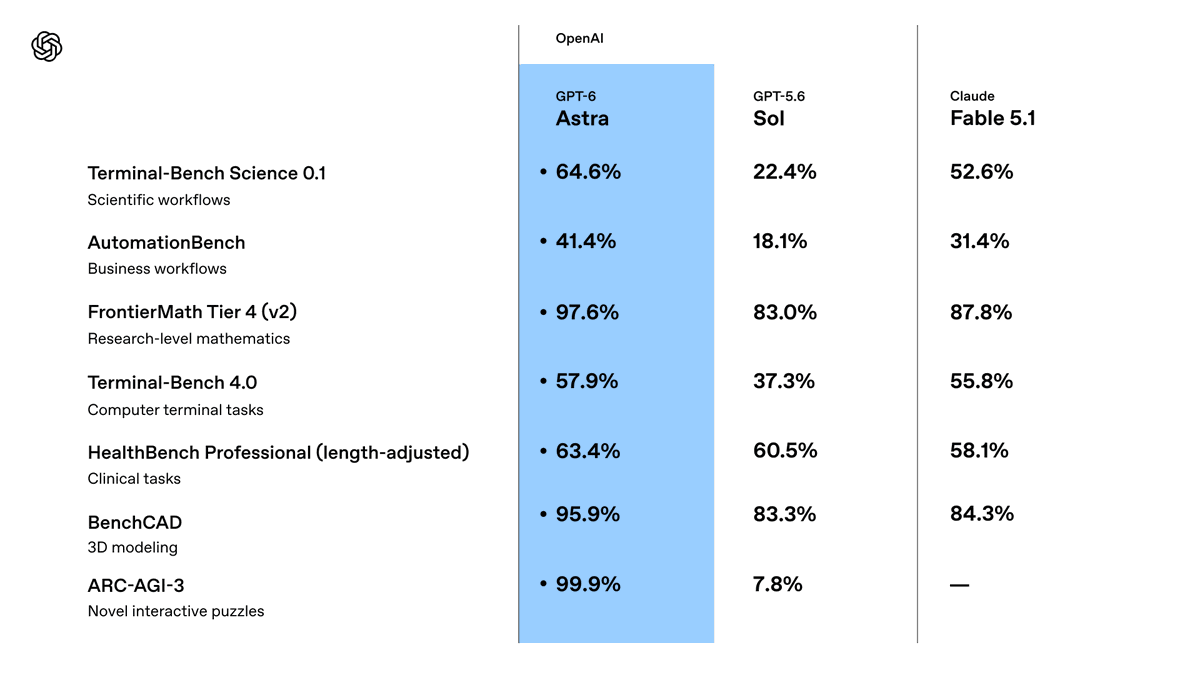
🤖 I will write plenty on GPT-6 Astra when I get my hands on it. I don’t know yet if it’s as BONKERS as the numbers make it seem, but a few things stood out:
Greg Brockman: “If we fast-forward a couple of years, and we look back and say, ‘When was it, really, that AGI was created?’ I think it’s going to be about this time, and I think it might be about this model. For me personally, I do think we’re there … I think it’s not unreasonable to feel that we are now in the AGI era.”
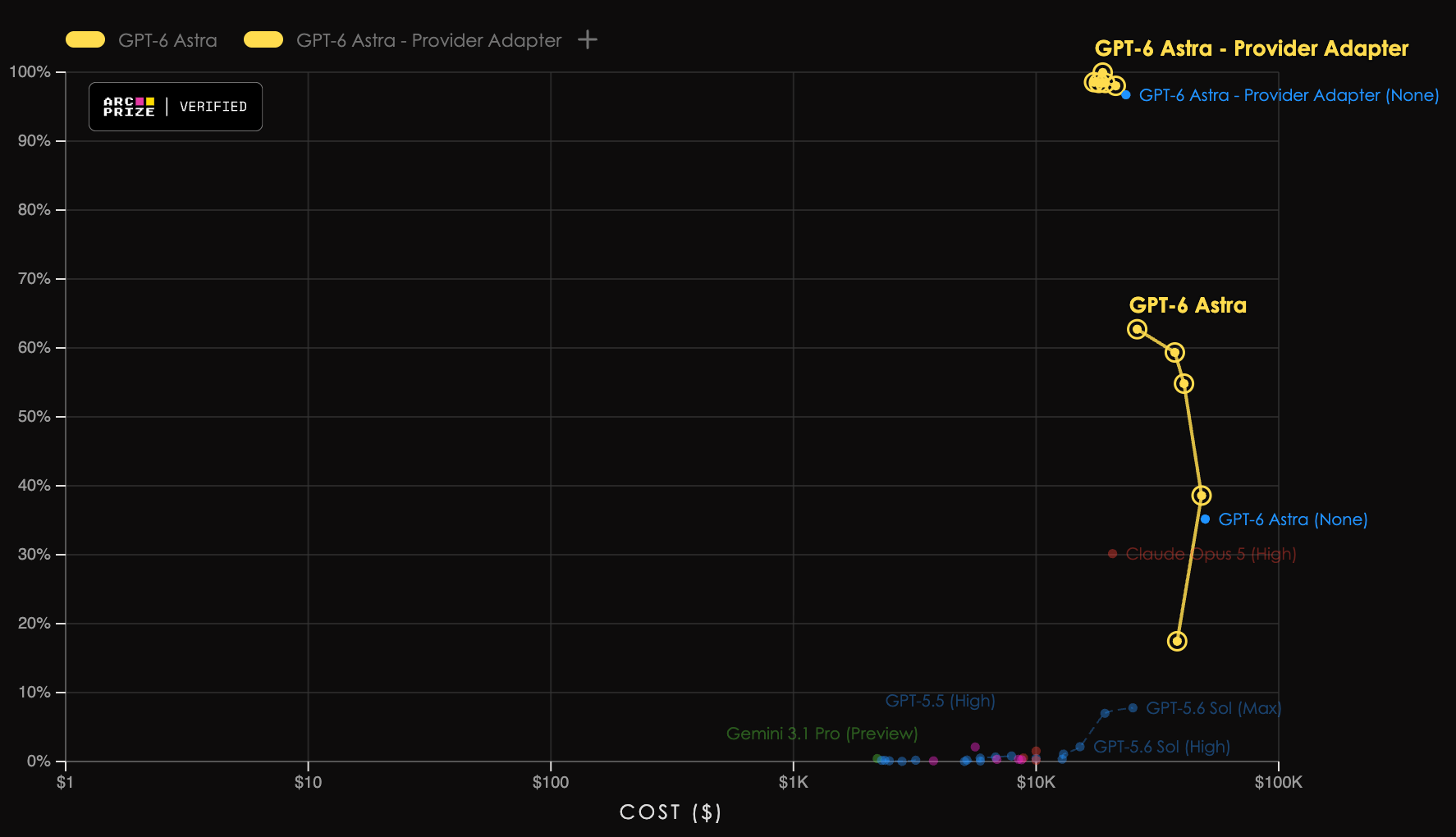
GPT-6 Astra scores 62.7% on ARC-AGI-3 with the standard harness and 99.9% with a new provider adapter harness that preserves opaque reasoning state between requests and uses compaction, which is how the model works in normal use. Claude Opus 5 scored 30.2%, and GPT-5.6 Sol 7.8%. (ARC-AGI-3 is an interactive reasoning benchmark where AI agents enter unfamiliar game-like worlds with no instructions and must explore, infer the rules and goals, and adapt efficiently. It’s designed to be very hard for AI.)
Not every early review and benchmark is as positive (see Dan Shipper and Artificial Analysis for more mixed takes).
So far it’s only available to “a limited set of organizations,” and in the “coming days” it will become available on the API and for Plus and Pro subscribers. Pricing will be: “$10 per million input tokens and $50 per million output tokens.”
💚 🥃 The paid subscription includes the full feed, every podcast, Zoom Q&As with me, and access to the private Discord clubhouse, where a core group of us hang out and discuss the interesting stuff we find:
🏦 💰 Business & Investing 💳 💴
🚀🧠 Elon Makes Jensen an Offer the Hyperscalers Won’t 😎
Google, Amazon, and Microsoft want as many Nvidia GPUs as they can get, but they’re also building their own chips so they won’t have to depend on Jensen forever. Same for OpenAI, which is building its own inference chips (Jalapeño), and Anthropic, which is trying to be as chip-agnostic as possible, training models on TPUs, co-designing Trainium with Amazon, etc.
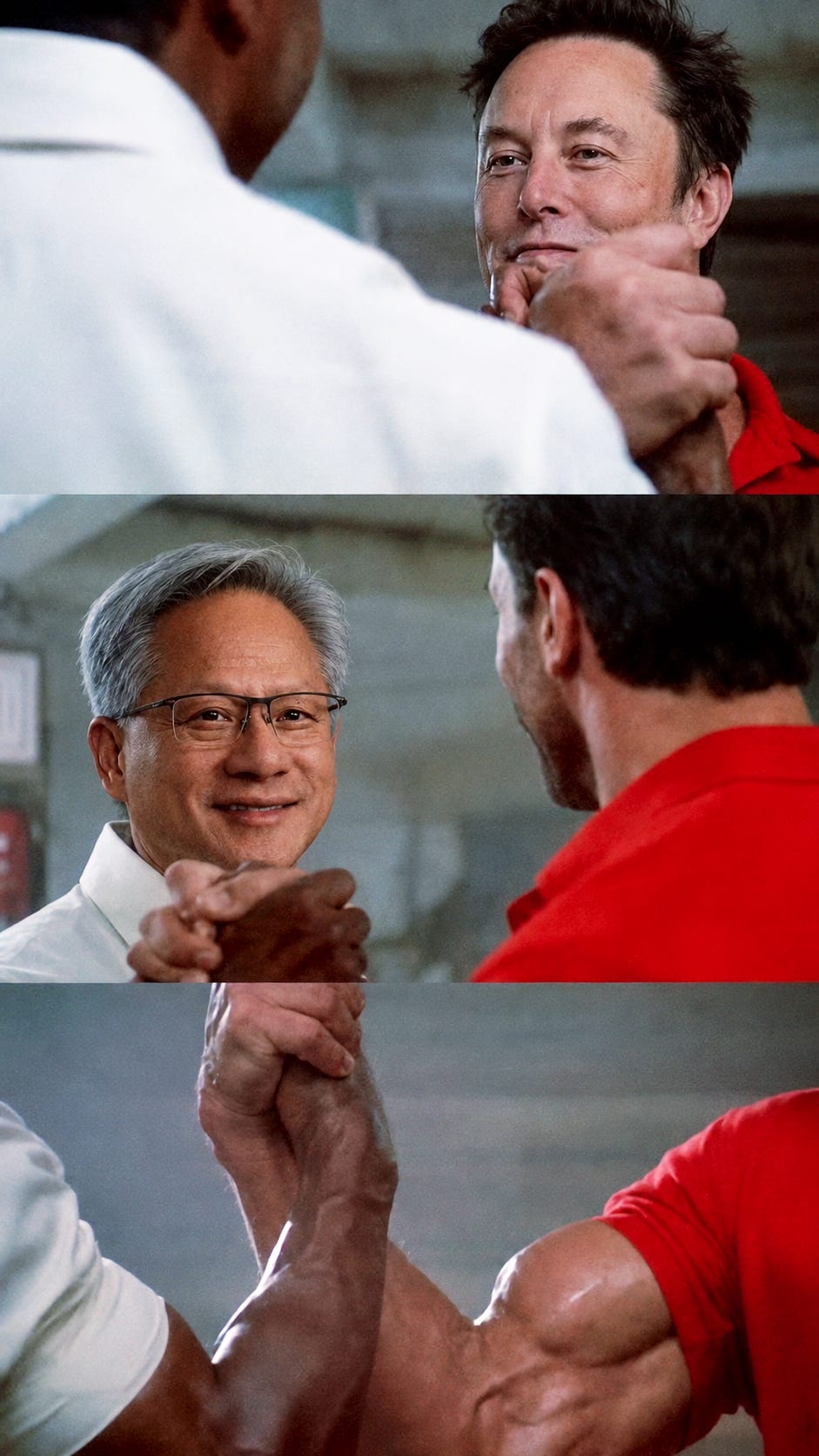
Elon is counterpositioning, at least for now. His strategy is to be the customer Jensen wants.
SpaceX says it will build its future AI infrastructure “exclusively on NVIDIA,” and Elon says the company expects to receive a “very significant” share of Nvidia’s GPU output next year. My guess is that those two things are connected 😅
For now, SpaceX is basically saying: we’ll build everything around the GPUs, you just keep sending us the GPUs. Elon supplies the power, cooling, data centers, and orbital infrastructure, integrating everything except the GPUs.
From Jensen’s side, that makes SpaceX more useful. Nvidia has been actively helping neoclouds like CoreWeave, Nebius, and Nscale build their infrastructure businesses. That broadens its customer base and reduces its dependence on the hyperscalers.
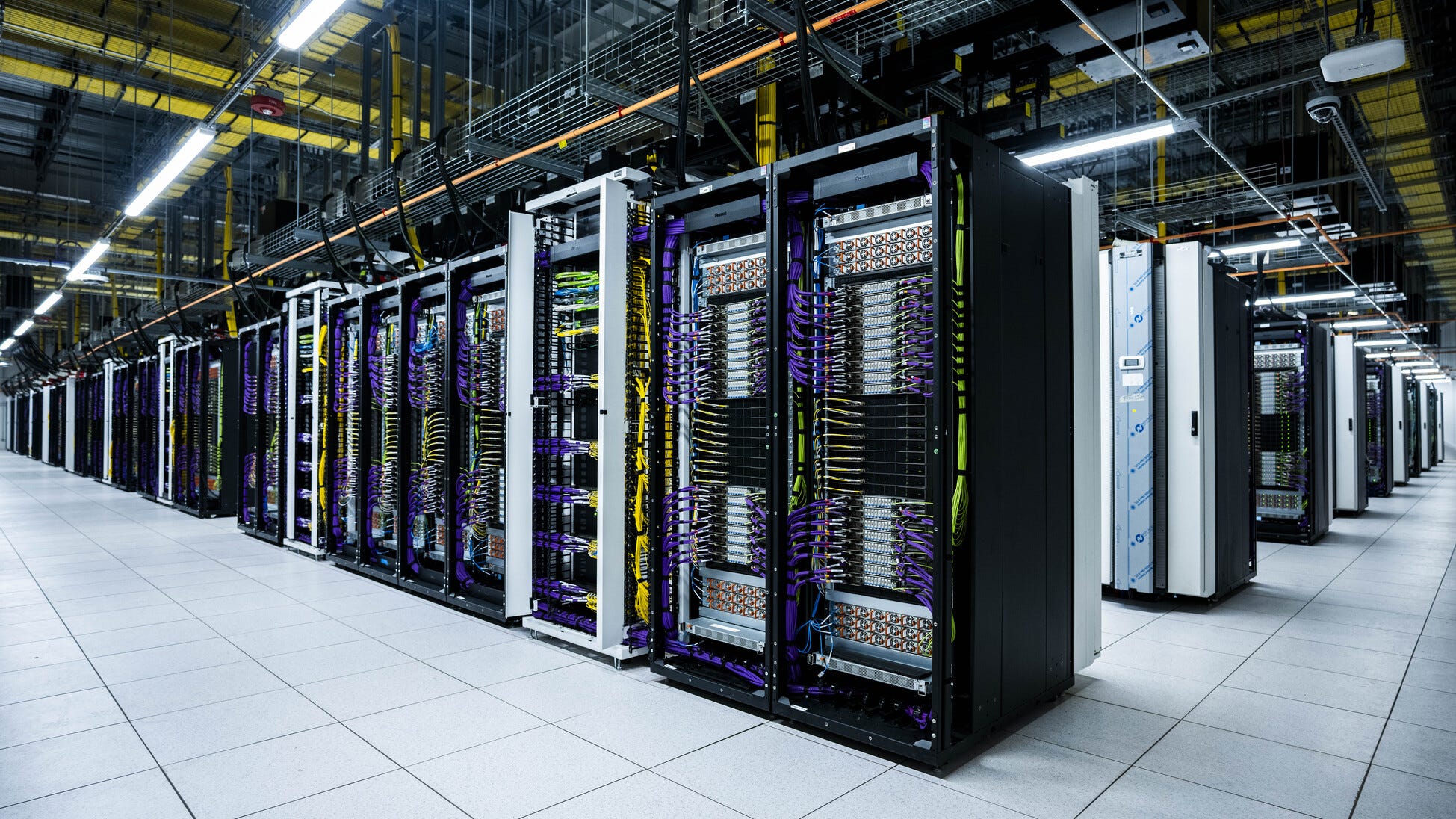
From Elon’s side, that gives SpaceX an obvious way to differentiate itself from the hyperscalers and frontier labs: be the customer Jensen wants to supply. Don’t spend billions building an Nvidia replacement while simultaneously asking for more GPUs. Go all-in on Nvidia, build the power and cooling ahead of time, and make it clear that you can absorb as much compute as Jensen can send you.
If GPUs are scarce and everybody wants more than they can get, and Jensen is the guy deciding where they go, that seems like a pretty good way to improve your odds of getting a bigger allocation.
BUT
This isn’t forever.
SpaceX and Tesla are also planning Terafab, a giant vertically integrated chip factory that would bring logic, memory, and advanced packaging under one roof, including a custom D3 chip for space.
Elon is using Nvidia to scale as fast as possible today while building the option to rely less on Jensen tomorrow.
Terafab is a big bet, and it’ll take a while to get going. Even if SpaceX eventually makes more of its own chips and Nvidia loses share inside the company, Nvidia could still own a shrinking slice of a fast-growing pie while helping create another competitor to the other labs and hyperscalers. 🥧
And who knows, maybe Terafab will one day provide an alternative to TSMC for Nvidia, giving it more total wafers and more negotiating power, like when it used to switch back and forth between Samsung and TSMC.
Though if Terafab works really well, Elon may just want all of it for himself. If SpaceX and Tesla can put every wafer to good use and that capacity becomes an advantage against supply-constrained fabless competitors who are fighting over TSMC allocations, why sell any of it to someone else? ¯\_(ツ)_/¯
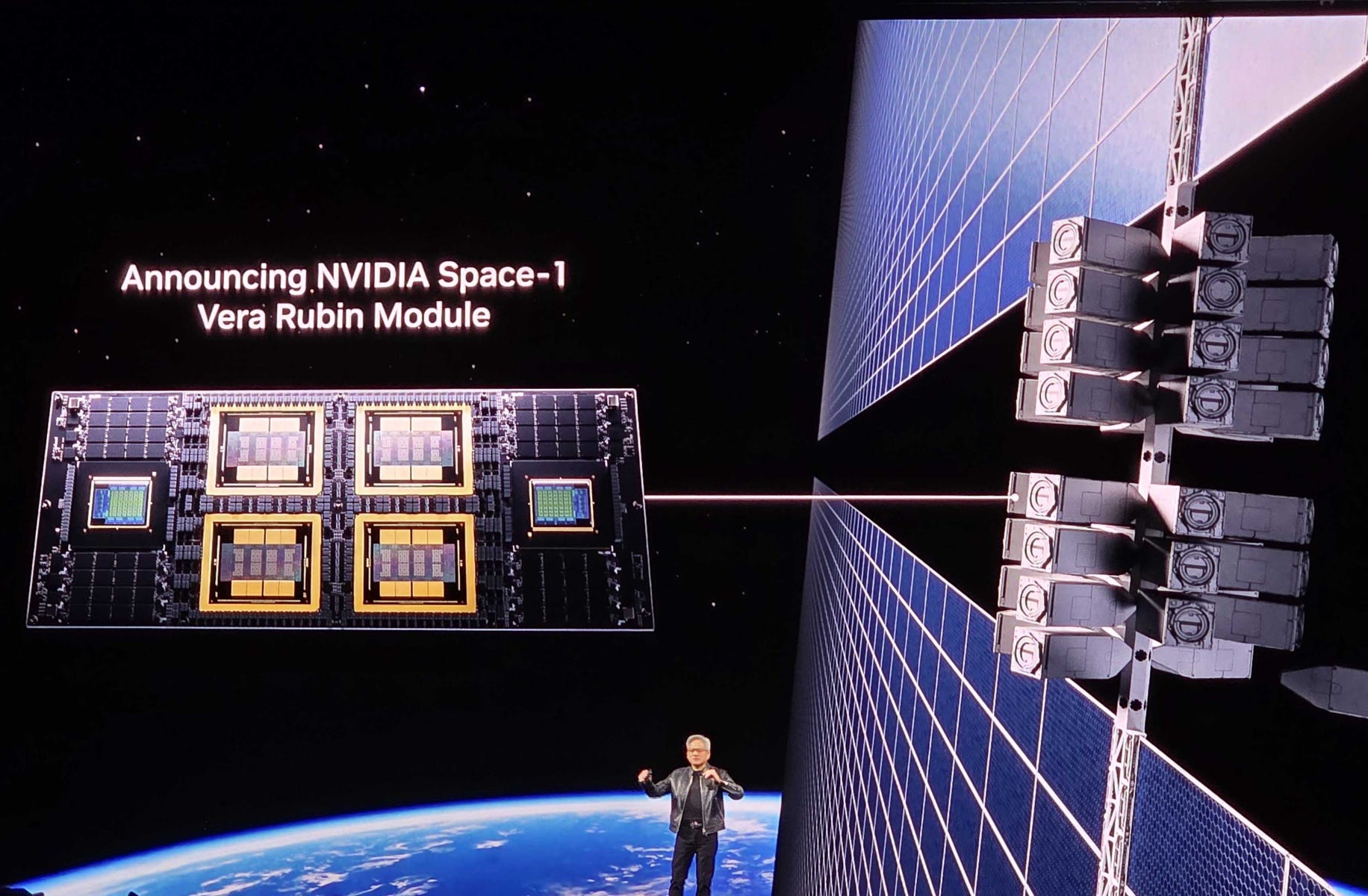
And SpaceX could become a very large Nvidia customer long before Terafab is ready. The company says it expects to have more than 2 GW of compute by the end of 2026, and that by the end of 2027 it could be closer to 10 GW than 5 GW. Then there’s Starmind: SpaceX’s first orbital-compute satellite is supposed to basically carry an optimized Vera Rubin NVL72 into space. 🛰️
Nvidia could supply SpaceX on Earth, then follow it into orbit. 🌎🚀🛰️
🏗️🤖 SB Energy IPO: $430 Billion of Backlog, Zero Data Centers
SoftBank-backed SB Energy filed to go public this week, and this number made me do a double take (almost a spit take): $430 billion of data-center backlog (and $439bn total).
This is a company that currently operates... zero data centers. 😅
