


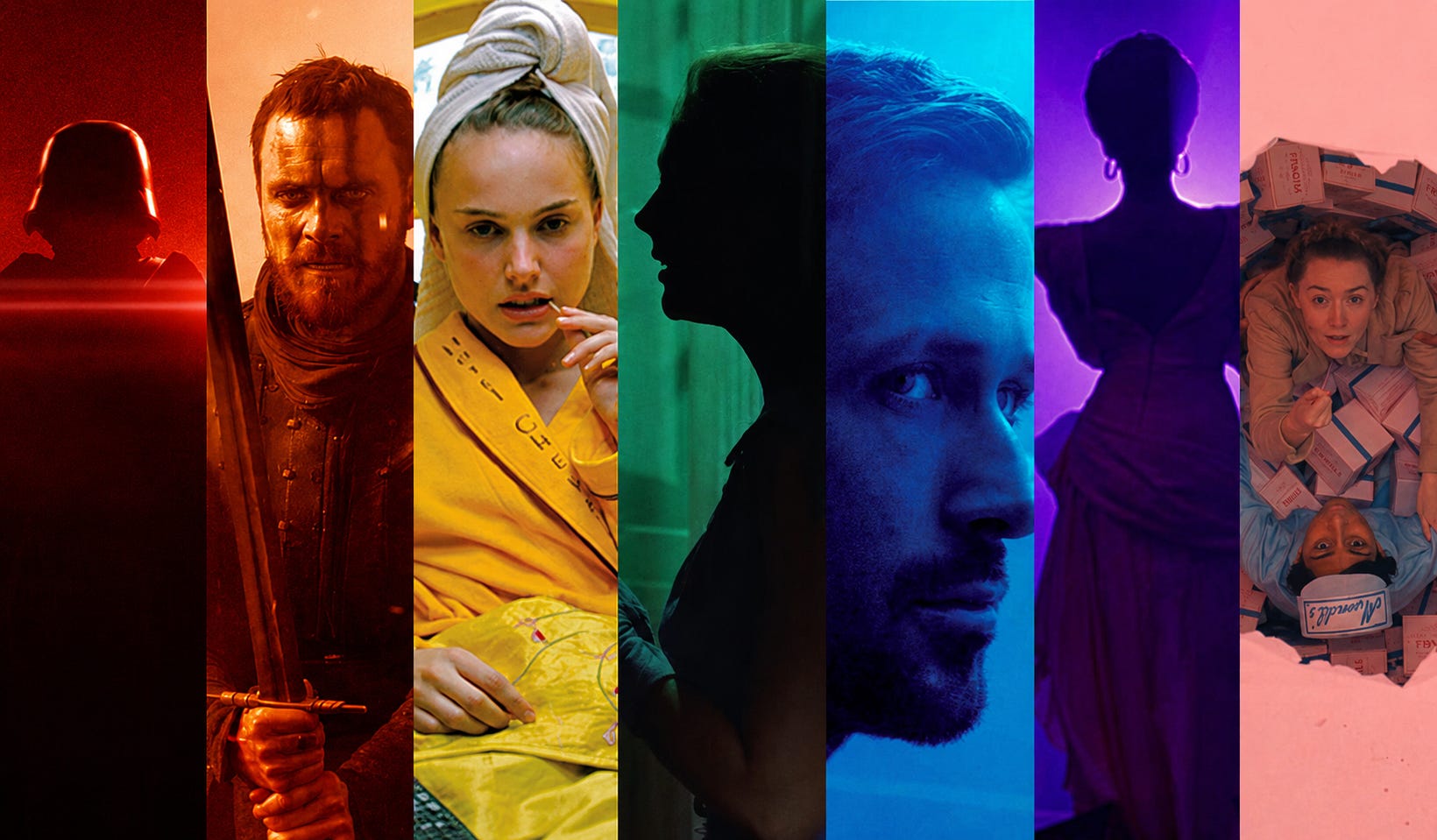
I’ve been trying to notice the use of color more lately, and it’s been useful that I’ve been rewatching a mix of older films and newer films.
For example, I recently watched The Fugitive (1993) with my kids, and Villeneuve’s Dune (2021) with my older boy, and The Sting (1973) with Paul Newman and Robert Redford. Three different eras and very different looks.
So I’ve been trying to learn about how they get that certain “film” look that you don’t get if you just pick up a camera and film stuff.
Two terms often get used interchangeably, but they’re doing different jobs:
Color correction is the technical pass: balancing every shot so they match, fixing exposure and white balance, making sure the actor’s face doesn’t shift green when you cut from the wide to the close-up.
Color grading is the creative pass on top: the washed-out palette of a war film, the warm glow that tells your brain “this is a flashback.”
Correction is continuity.
Grading is mood.
In the digital era, images are just data, 0101101010101. Software allows you to adjust EVERYTHING.
You sit in front of something like DaVinci Resolve and push the image around until it looks right. A shot doesn’t match the one before it? There are tools that will match them for you off a reference frame.
Want a deeper blue sky but the skin tones left alone? Draw a mask. Want to desaturate the whole background while keeping one red dress vivid, and have that mask follow the dress as the actor walks across the room? No prob, man.
But watching older films made me wonder what they did when they were still splicing film by hand and editing with razor blades.
Back in the photochemical era, the look you got was a physical property of the print, set by how much red, green, and blue light a lab shone through the negative when making each copy. 🎞️
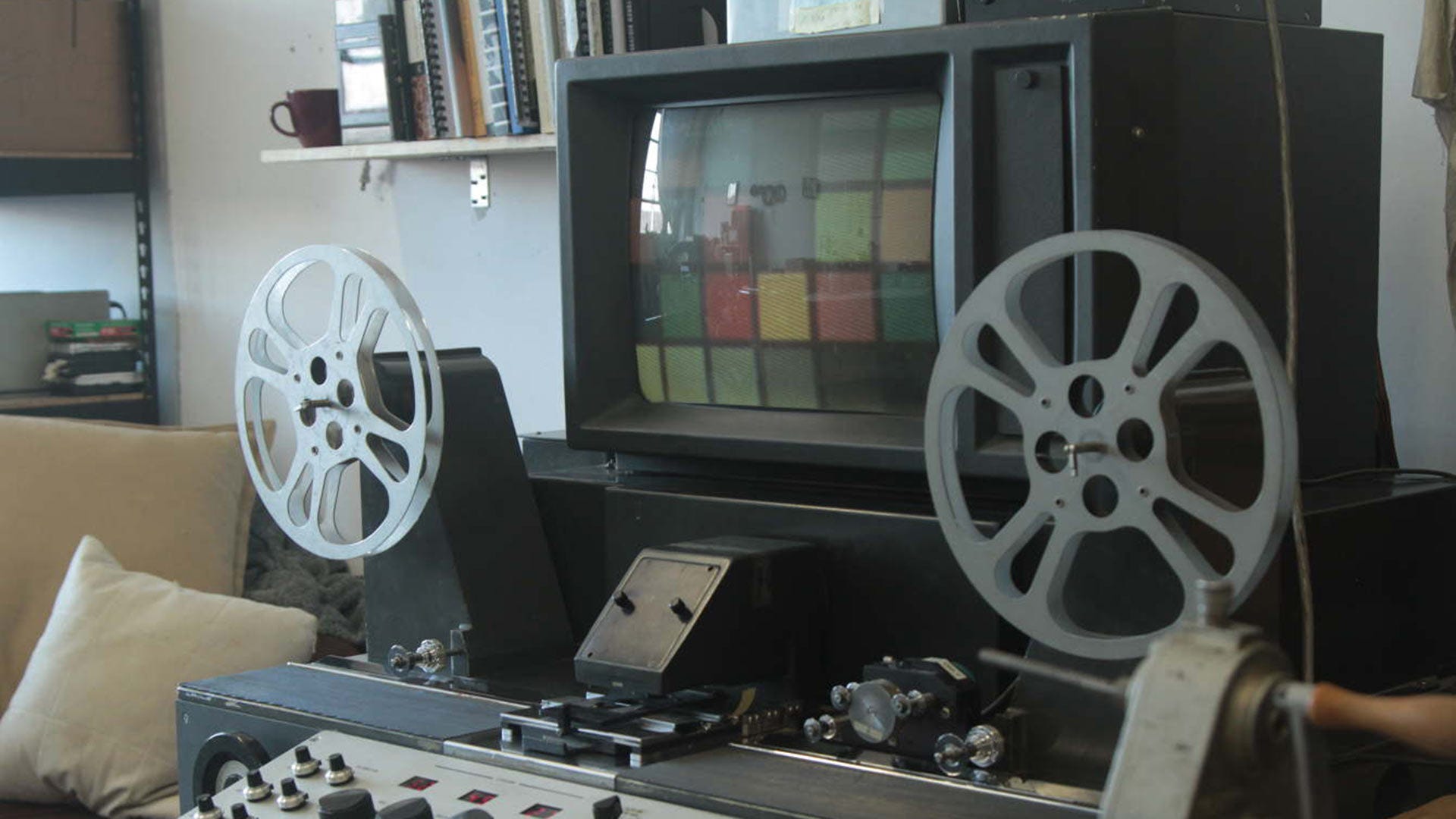
After the negative was cut together (literally), a specialist called a color timer studied it on a machine like a Hazeltine (which turned the negative into a positive) and dialed in three numbers per shot, one each for red, green, and blue, usually on a 1-to-50 scale.
Twenty-five across the board was the theoretical middle, except every lab was calibrated a little differently, so the same numbers gave you slightly different results from one lab to the next. (the 🐐 Roger Deakins ran his own normal closer to 29-31-29 because he liked a heavier negative).
Then the lab made a print, everyone sat in a theater and watched it, somebody said “the close-up’s too green” and “the sunset doesn’t match the wide,” and the timer changed the numbers and printed it again. That first approved version was the answer print, and you went around the loop until it was signed off.
But those adjustments were global. You could make a whole shot warmer or cooler, lighter or darker, push it toward magenta or pull it off green. You could NOT brighten just the actor’s face, or deepen just the sky, or keep one red dress vivid while everything around it went grey. No masks, no tracking, no secondaries.
The discipline had to be upstream, on set. Film stock, filters, gels, exposure, lighting, wardrobe, production design. The lab could balance and polish what you handed it, but it couldn’t remake it into something else. “Fix it in post” is a fairly recent luxury.
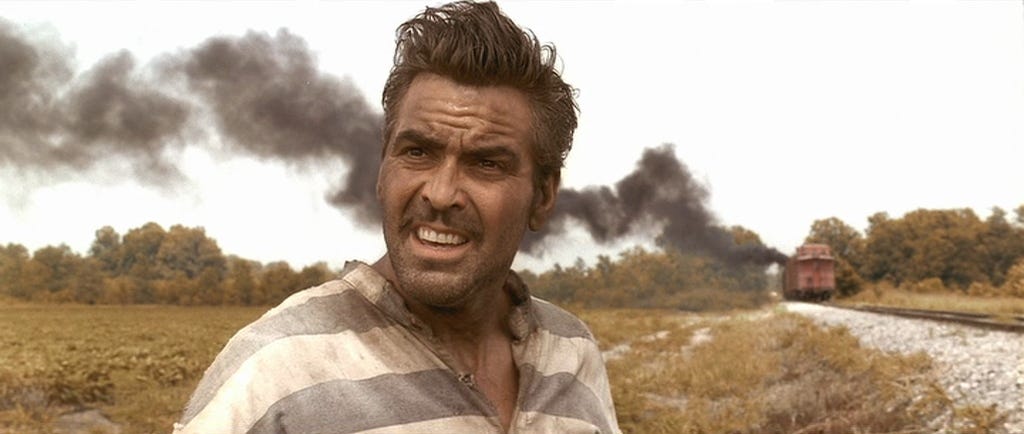
When the Coen bros and Deakins wanted a dusty Depression-era gold for O Brother, Where Art Thou? (2000), the lush green Mississippi summer they captured on film was a problem.
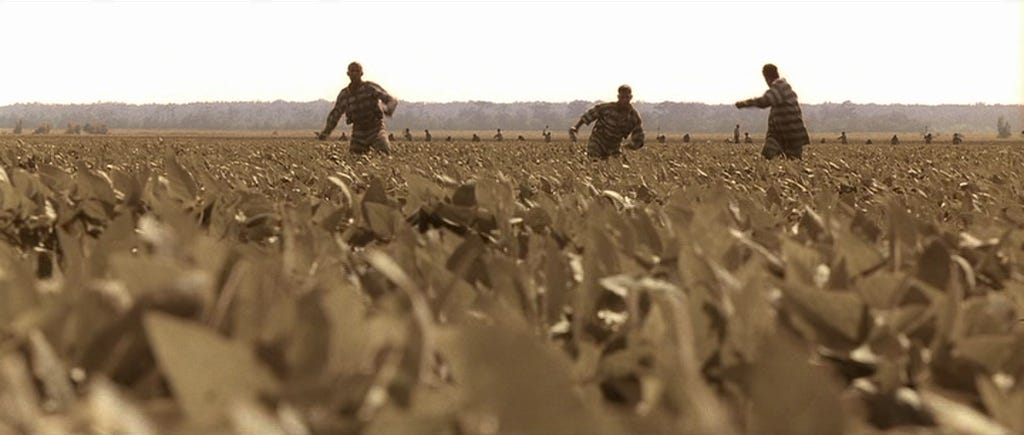
Deakins tested photochemical approaches, including bleach-bypass and bi-pack processes, but they weren’t selective enough. So the negative was scanned and the film was graded digitally, letting Deakins and Cinesite colorist Julius Friede target the greens of trees and grass and turn them into dry browns and yellows. It’s usually credited as the first Hollywood feature to have every frame digitally color-graded as a full digital intermediate.
And it’s a great example of using color creatively because the look that everyone remembers is that gold/brown, but it *wasn’t* in front of the lens on that day.
🧭 This first appeared in Edition 645 of Liberty’s Highlights. New here? I made a page for that: Start Here.